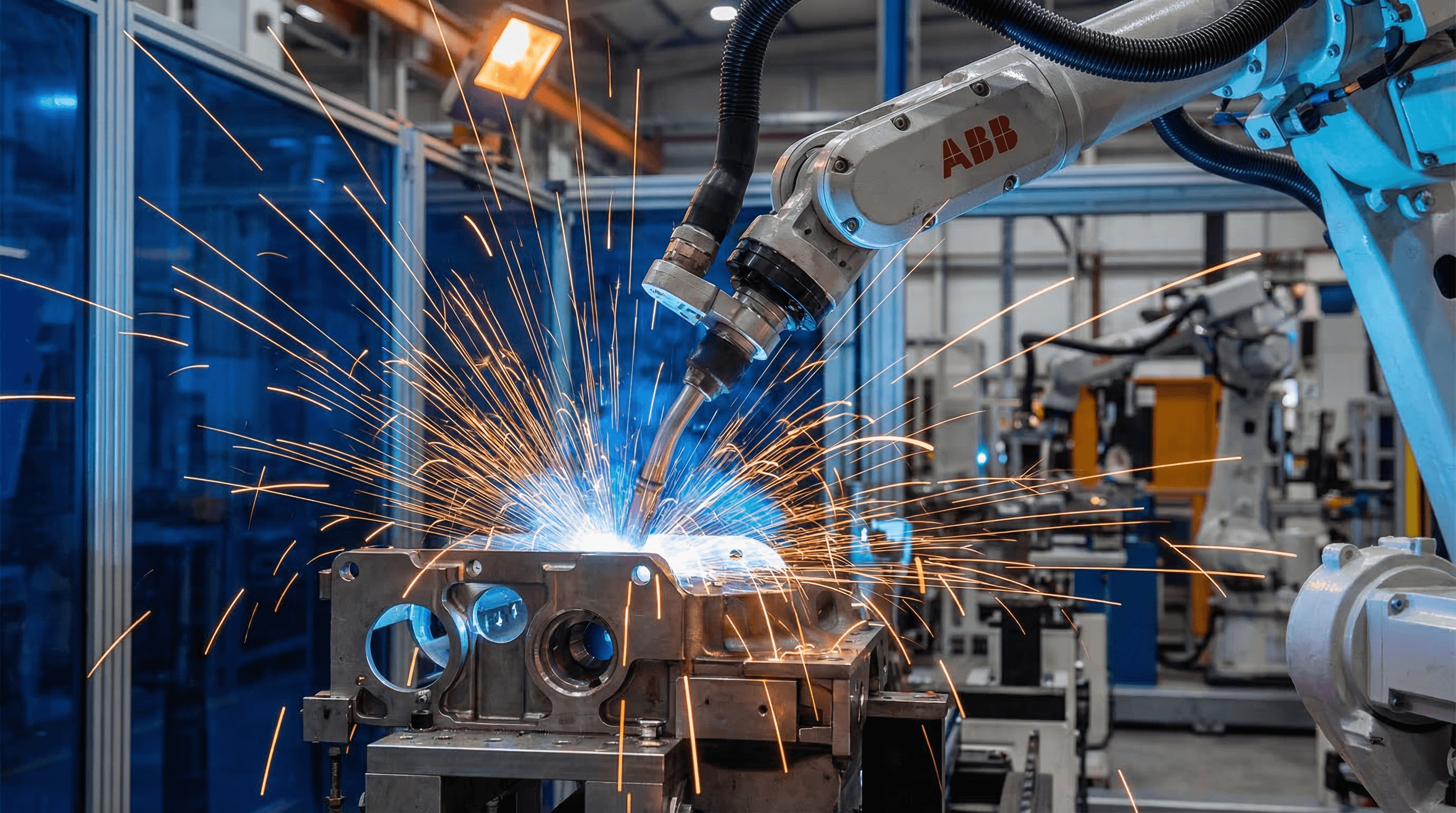
Beyond Human Inspection
Machine vision systems powered by deep learning algorithms are achieving defect detection rates that exceed manual inspection on high-volume lines. In semiconductor fabrication, these systems can identify sub-micron defects at speeds of thousands of units per minute. The technology has matured from experimental pilots to production-ready deployments across automotive, electronics, food processing, and pharmaceutical manufacturing.
The Data Advantage
Unlike traditional rule-based inspection systems, AI vision models improve with more operating data. Each validated defect feeds back into the training pipeline, making the system more accurate over time. Early adopters gain a compounding advantage because they accumulate richer image libraries tied to real process variation, rework events, and confirmed rejects.
Implementation Realities
Deploying AI quality control is not plug-and-play. Teams still need to tune lighting, camera positioning, MES integration, and exception handling. The strongest programs pair model performance metrics with floor-level SOPs so operators know how to respond when the system flags parts, drifts, or loses confidence.