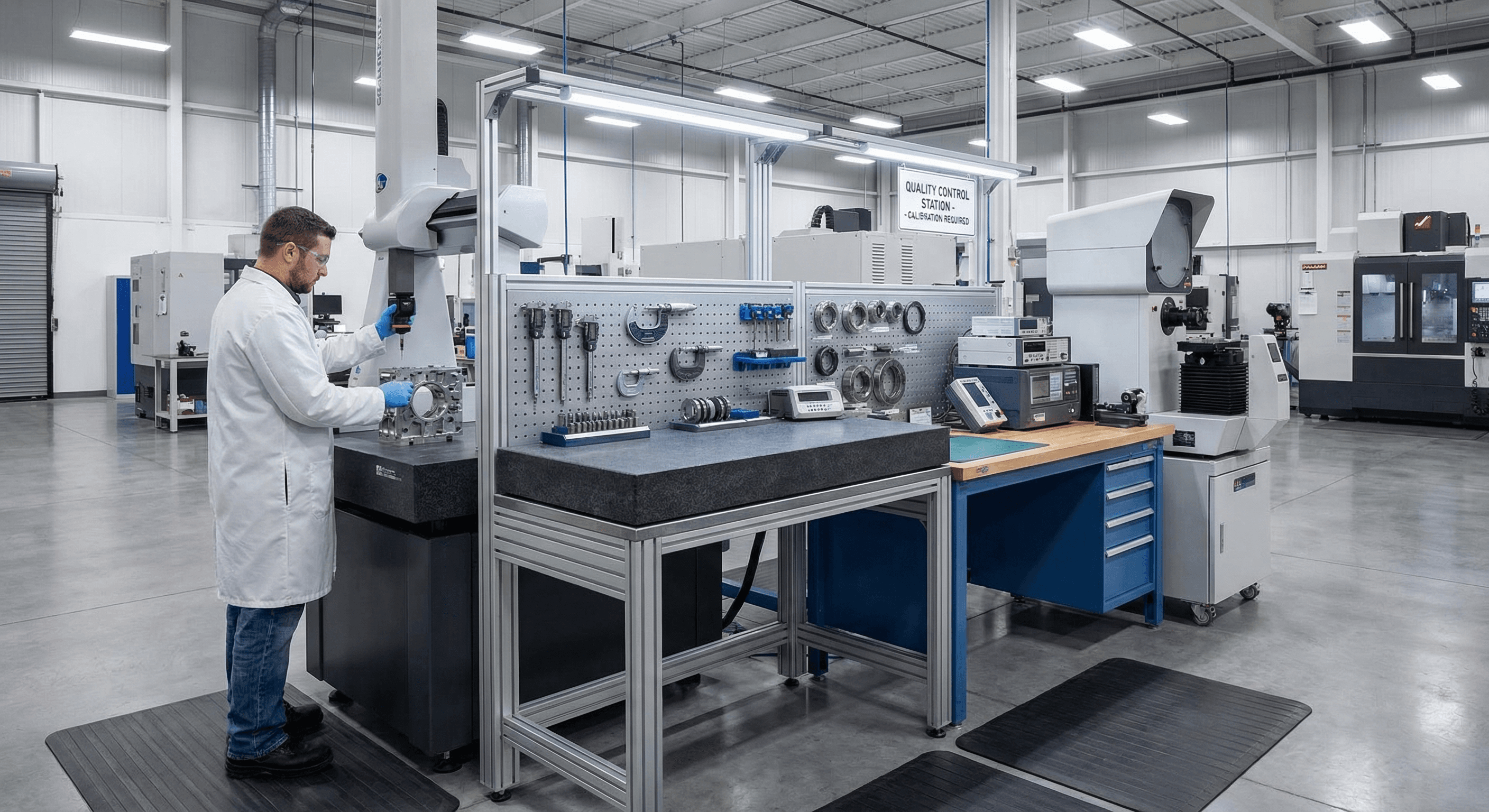
The Quality Talent Shortage: A Manufacturing Reality Check
Walk into any manufacturing facility today and ask about open positions. Quality manager and quality engineer roles consistently top the list, with average time-to-fill stretching to 127 days according to recent industry data. This represents a 43% increase from 2023 levels, creating production bottlenecks that cascade through entire operations.
The shortage stems from multiple factors: an aging workforce, expanding regulatory requirements, and fundamental shifts in what quality roles now demand. Traditional quality professionals trained in ISO 9001 and AS9100 standards find themselves competing with candidates who understand machine learning algorithms but may struggle with basic statistical process control principles.
Regional Salary Landscape
Compensation varies significantly by geography, with manufacturing centers commanding premium rates. Quality managers in the Great Lakes region average $92,000 to $128,000 annually, while similar positions in the Southeast range from $78,000 to $108,000. The differential reflects local manufacturing density and talent competition.
California and Texas manufacturing hubs push these figures higher. Quality managers with aerospace experience in Southern California can command $135,000 to $175,000, particularly when AS9100 certification and supplier audit experience are documented. Texas automotive corridors show similar premiums for quality professionals with IATF 16949 backgrounds.
Quality engineers typically earn 20-30% less than their manager counterparts. Entry-level positions start at $58,000 in lower-cost regions, reaching $85,000 in competitive markets. Senior quality engineers with statistical software proficiency and advanced degree credentials can approach $115,000 in manufacturing-dense areas.
The premium for specialized skills has grown notable. Quality professionals with validated experience in SPC software implementation see 12-18% salary bumps. Those who can demonstrate measurable defect reduction through data analytics command even higher premiums.
The Evolving Skills Gap
Traditional quality management emphasized compliance, documentation, and root cause analysis. These skills remain essential, but the role has expanded significantly. Modern quality professionals need statistical analysis capabilities beyond basic control charts.
AS9100 and ISO 9001 experience still provides the foundation, but companies now seek candidates who can implement predictive maintenance programs using sensor data. Quality engineers must understand how machine learning algorithms identify defect patterns before they manifest in finished products. This hybrid skill set proves difficult to find.
The generational divide complicates hiring. Experienced quality professionals often possess deep knowledge of metallurgy, failure analysis, and regulatory compliance but limited exposure to modern data platforms. Younger candidates bring analytical software skills but lack the manufacturing floor judgment that prevents costly mistakes.
Companies report particular difficulty finding quality professionals who can bridge supplier management and advanced analytics. The ability to audit suppliers while also implementing statistical models for incoming inspection represents a rare combination.
What Candidates Actually Seek
Exit interviews and candidate surveys reveal that compensation alone does not drive quality professional decisions. Autonomy ranks consistently high. Quality managers want authority to stop production when specifications are not met, without requiring multiple approvals or justifications.
Professional development opportunities carry significant weight. Quality professionals seek employers who fund certification maintenance, conference attendance, and advanced training in statistical methods. The investment signals commitment to their expertise.
Work-life balance has gained importance, particularly for experienced professionals. Quality roles traditionally demanded on-call availability for production issues and customer complaints. Forward-thinking manufacturers now structure quality teams to distribute after-hours responsibilities and limit weekend requirements.
Technology infrastructure influences candidate decisions more than previously recognized. Quality professionals want access to current measurement equipment, statistical software licenses, and database systems that support their analysis work. Outdated tools create frustration and limit professional growth.
Clear career progression paths matter significantly. Quality professionals want to understand advancement opportunities within quality functions or into operations management. Companies that demonstrate promotion histories retain talent more effectively.
Tech Company Competition
Technology companies increasingly recruit manufacturing quality professionals, offering 25-40% salary premiums and equity packages. These positions focus on quality assurance for physical products, hardware reliability, and supplier management.
The appeal extends beyond compensation. Tech companies often provide better analytical tools, more flexible work arrangements, and faster decision-making processes. Quality professionals appreciate environments where data-driven recommendations receive quick implementation.
Manufacturing companies lose quality talent to tech firms that value their understanding of physical product constraints and supplier relationships. A quality manager with automotive experience brings valuable perspective to autonomous vehicle development teams.
The talent drain particularly affects companies in regions with both manufacturing and technology presence. Quality professionals in Michigan automotive suppliers increasingly consider positions with tech companies developing electric vehicle components or autonomous systems.
Effective Retention Strategies
Successful manufacturers have implemented targeted retention approaches based on quality professional preferences. Competitive compensation remains necessary but insufficient alone.
Professional recognition programs show measurable impact. Quality professionals respond to formal acknowledgment of process improvements, cost savings, and compliance achievements. Public recognition at company meetings and industry conferences reinforces their value.
Investment in advanced training yields retention benefits. Companies that fund Six Sigma Black Belt certification, advanced statistical courses, and industry conferences see 23% lower turnover in quality roles. The training investment typically pays back through improved processes and reduced quality costs.
Flexible work arrangements help retain experienced quality professionals. While manufacturing quality requires floor presence, administrative tasks, data analysis, and supplier communications can often occur remotely. Hybrid schedules accommodate work-life balance preferences without compromising quality oversight.
Cross-functional project assignments prevent stagnation. Quality professionals value opportunities to lead plant-wide initiatives, participate in new product development, and contribute to strategic planning. These assignments develop broader business understanding and demonstrate advancement potential.
The Certification Question
Traditional quality certifications maintain relevance but with evolved significance. Certified Quality Engineer (CQE) credentials still provide foundational knowledge recognition, particularly for regulatory compliance roles. However, the certification alone no longer guarantees employment or advancement.
Six Sigma certifications show more practical impact. Companies report that Black Belt certified quality professionals deliver measurable process improvements. The structured problem-solving methodology translates directly to manufacturing environments. Green Belt certification provides useful training but limited differentiation in competitive job markets.
Certified Quality Auditor (CQA) credentials remain valuable for supplier management roles. As supply chains become more complex and distributed, companies need quality professionals who can effectively audit and develop suppliers. The certification provides standardized auditing methodology and credibility with supplier organizations.
Industry-specific certifications carry increasing weight. AS9100 Lead Auditor certification commands premiums in aerospace manufacturing. IATF 16949 expertise remains essential for automotive quality roles. Medical device quality professionals benefit from ISO 13485 certification.
The certification landscape continues evolving. Newer credentials in statistical analysis, reliability engineering, and quality management systems integration are gaining recognition. Quality professionals who combine traditional certifications with modern analytical credentials position themselves most competitively.
Looking Forward
The quality talent shortage will likely persist through 2026 and beyond. Manufacturing reshoring increases domestic quality professional demand while the talent pipeline remains constrained. Companies that adapt their hiring, development, and retention strategies to current realities will secure competitive advantages.
Success requires recognizing that quality roles have fundamentally expanded. The integration of traditional quality management with modern analytics represents the new standard, not a future possibility. Organizations that embrace this evolution and invest accordingly will attract and retain the quality talent their operations demand.