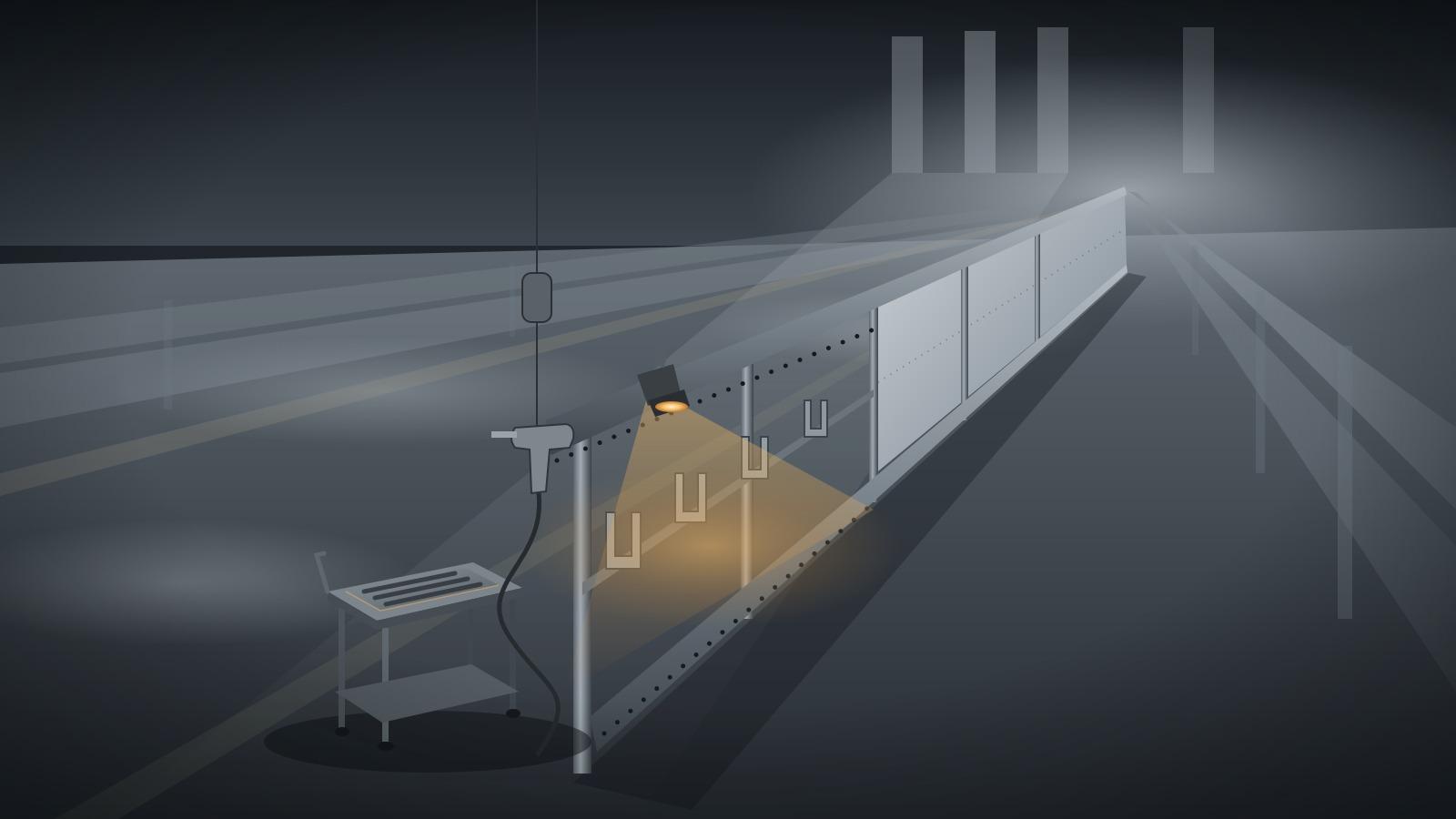
The Boeing 777 supplier dispute has done more damage than its size would suggest. In August 2026 Boeing filed a complaint against Vaero, a supplier in Jacksonville, Florida, alleging the company had stopped delivering trailing-edge rib kits for the metal wings Boeing builds in Everett, Washington. Boeing described Vaero as its sole supplier of the part and called it "indispensable," Reuters reported on Oct. 23. The two sides settled in late September. Three Boeing workers told Reuters that 777 Freighter production still had not restarted as of Oct. 23, nearly two months after it stopped.
Boeing pulled two partly assembled 777Fs out of final assembly, and Reuters identified one as headed to FedEx. FedEx did not comment. Boeing declined to comment to Reuters, and Vaero did not respond to requests for comment.
The part involved is a kit of ribs. It isn't an engine, a landing gear or a flight computer, and it still stopped a wide-body line.
What happened, in order
-
August 2026: Boeing files a complaint alleging Vaero stopped delivering trailing-edge rib kits. The complaint puts the disruption at up to $6.5 million a day, according to Reuters. That figure is Boeing's allegation in litigation, not an audited cost.
-
Late September: Boeing and Vaero settle. No source has disclosed the terms.
-
Oct. 23: Reuters reports, citing three workers, that 777F production has been halted for nearly two months and has not resumed. Workers say the 767 line has received some parts since the settlement.
-
Oct. 27: On Boeing's third-quarter call, CFO Jay Malave says supplier shipments have resumed but that the resulting gap will move through the production lines over the next few quarters (Motley Fool transcript).
Malave didn't name the supplier on the call. "During the quarter, our 777 freighter and 767 tanker production lines were disrupted by a supplier of wing components," he said. Vaero's name comes from Reuters' reporting on Boeing's complaint.
Who Vaero is
Airways Magazine, citing a Vaero announcement carried by Airframer, reports that the former Kaman Aerospace operation in Jacksonville is now Falcon Jacksonville, LLC, doing business as VAERO, and that it supports the Boeing 767 and 777. Leeham News reports that Vaero also works with Bombardier, Collins Aerospace, Pratt & Whitney and several defense contractors. So this is a shop with a real customer list, and on one Boeing part it was the only source.
Why a rib kit can stop a wing
According to Boeing's allegations as reported by Airways, the kits provide attachment points on the wing and spread loads through it. Without them, Boeing says, it can't complete the fixed trailing edge of a 777 wing or join the wing to the fuselage.
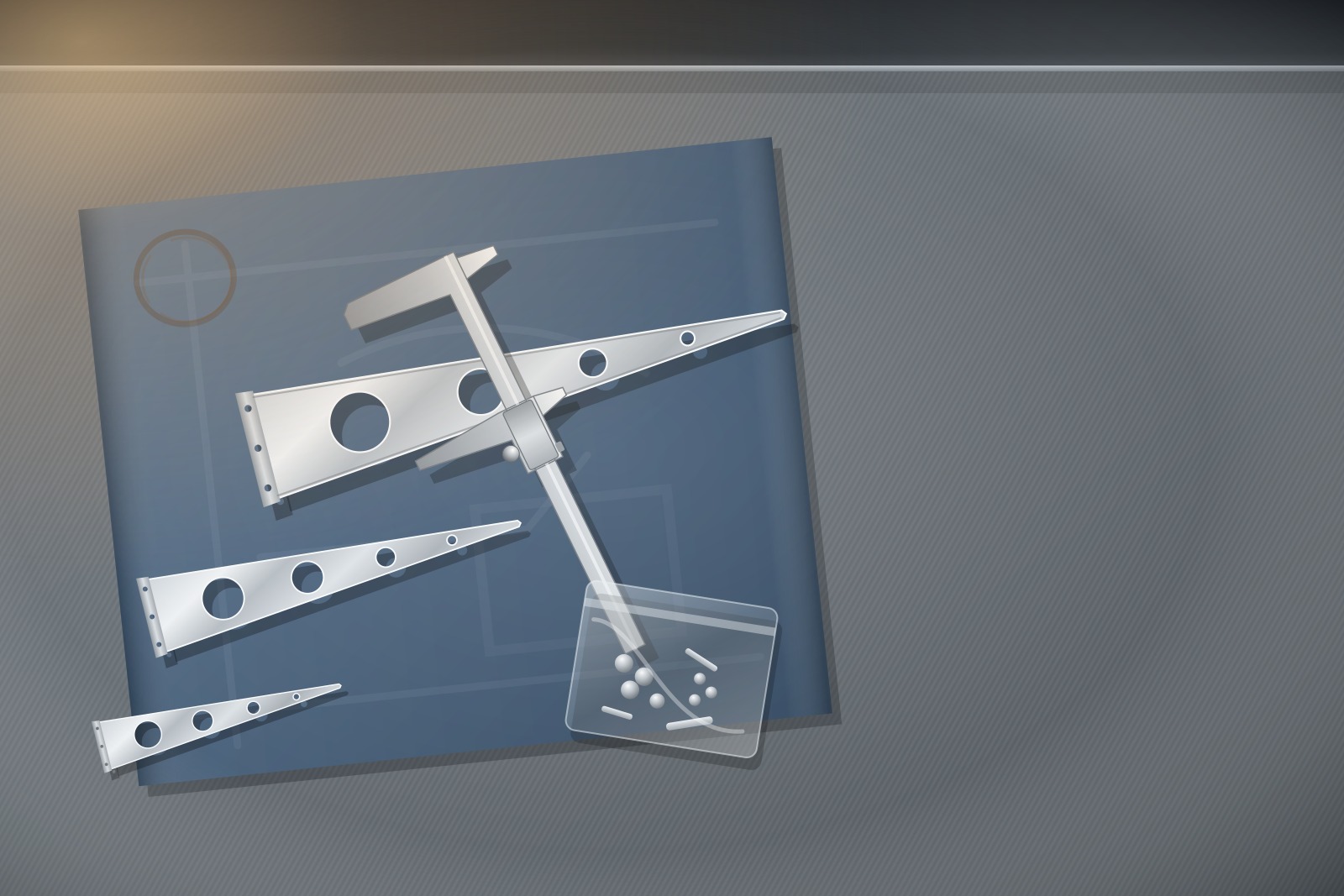
That's why spend is the wrong way to rank risk. A rib kit is a small line on the bill of materials compared with engines or avionics, but it sits on the critical path. With no trailing edge there's no wing join, and with no wing join the airplane can't move to the next position.
The bill of materials also decided who was exposed. The 777X has composite wings and wasn't affected, as both Reuters and MyNorthwest reported. The current 777F keeps the metal wing, and so does the 767, which is where the shared part caused trouble.
How the gap moves down a sequenced line
Malave's point that the gap keeps flowing through the system after shipments resume says a lot about how a sequenced aircraft line behaves. In general terms, it works like this.
Wing build stops first, in Everett. Final assembly keeps going on airplanes that already have wings, then runs out of them. In this case Boeing went further and pulled two partly built 777Fs out of final assembly, which suggests the airplanes were taking up positions the line needed. Delivery slots are hit last.
Restarting the parts supply doesn't fill those empty positions. Each kit set that never arrived turns into a wing that wasn't built, and that becomes a missing airplane that moves position by position through wing join, final assembly, test and delivery. Unless the line can run above its normal rate to catch up, the hole stays the same size and simply moves downstream. That's why the CFO described the impact in quarters, not weeks.
Reuters reported that Boeing had delivered 21 777 freighters in 2026 as of Oct. 23, and that some freighters with wings built before the dispute could still be delivered by year-end. The gap shows up in deliveries after the airplanes already in the pipeline have shipped.
The accounting line: abnormal cost and period expense
"The cost of that disruption was not material in the third quarter, but will be treated as abnormal cost and period expense over the next few quarters," Malave said on the call. In Q&A he added: "we expect some abnormal costs to carry forward now in the fourth quarter into the first half of the year," meaning the first half of 2027.
For operators, the classification matters. Normal production cost goes into inventory and reaches the income statement when the product ships. Under standard inventory accounting, costs from abnormal disruptions, such as idle labor, rework and disrupted flow, are expensed in the period they happen instead of being carried in inventory. They reduce earnings directly, quarter by quarter, with no product delivered against them. Boeing hasn't given a dollar figure, and Q3 wasn't material by its own account. The message is that the cost continues into 2027 even though the dispute was settled in September.
Any plant can face the same thing at smaller scale. When a line is staffed and waiting on one part, the payroll, overhead and expediting costs don't attach to finished goods. They hit the period.
The 767 and KC-46
The same kits go into 767 wings, and 767 output, including freighters and KC-46 tankers, was also disrupted. Workers told Reuters the 767 line has received some parts since the settlement.
The 767 freighter can no longer be ordered, according to Air Cargo News, and Leeham reports 767F production will end sometime next year once the remaining deliveries are complete. ch-aviation counts 9 unfilled 767-300F orders, one of them for UPS. For a program in its final stretch, lost slots are hard to recover because there's little remaining run to absorb them.
What's riding on the 777F
As of September, Boeing had 38 unfilled 777F orders, 7 of them for FedEx, according to ch-aviation and Air Cargo News. The metal-wing freighter also has more runway than many expected. Malave said Boeing "received FAA approval for incremental production of up to 35 units" of the current 777F, and ch-aviation reports that the exemption lets up to 35 new-build 777Fs receive first airworthiness certificates between Jan. 1, 2028 and Jan. 1, 2031.
That means the sole-source rib kit supports a product line that runs into the next decade, not a program near its end. Air Cargo News notes that the delay comes as the air cargo market faces a shortage of widebody capacity, so customers waiting on these airplanes don't have many alternatives.
Bringing the kits in-house
Reuters, citing workers, reports that Boeing is trying to bring rib-kit production in-house. Air Cargo News frames the goal as an effort to "reduce its dependence on a single external supplier." Boeing hasn't disclosed a timeline or cost.
Insourcing a part like this has costs. Tooling has to be built or transferred. The process has to be qualified to aerospace standards and first articles inspected before any kit reaches a wing. Machinists and inspectors have to come from somewhere, and in a tight skilled-trades market that usually means pulling them from other work or paying more. Owning production removes the dispute risk with one counterparty, but the risk doesn't go away. It moves onto Boeing's own capacity, labor and quality system. For a part on a line now approved to run into 2031, that may well be worth it. For most mid-market buyers, a qualified second outside source is the more realistic version of the same idea.
What tier-2 aerostructures buyers should take from this
Rank sole-source parts by line-stop impact, not spend. Go through the bill of materials and ask, for each single-source item, whether its absence stops a downstream operation. A low-dollar kit that blocks a join or a final assembly position belongs at the top of the list. Check whether the same part feeds more than one program, as this one fed both the 777F and the 767.
Price the second source against the line-stop. Qualifying a second supplier under AS9100, with first-article inspection, customer approval and tooling, costs real money and takes months. Compare that with what a day of stoppage costs your line. Boeing's complaint claimed up to $6.5 million a day. Your number will be smaller, but the comparison is the same. Our downtime cost calculator separates lost contribution margin from incremental recovery costs such as overtime, expediting and rework, which is the split you need when the gap continues after supply resumes.
Hold buffer stock where qualification is slow. If a second source is years away, safety stock of critical kits buys time to negotiate or recover. Size the buffer to cover how long it would realistically take to restart or replace the source, not to normal lead time.
Write recovery into the contract. Step-in rights, clear ownership of tooling and technical data, and the right to move tooling to another qualified shop are what turn a supplier dispute into a recoverable event. Without them, settling the dispute may be the only way to get parts again.
Watch for distress early. Ownership changes, late or partial shipments, rising quality escapes, requests to accelerate payment or reprice, and turnover among key staff can all come before a stoppage. Supplier financial health monitoring is cheaper than a stalled line.
Settling the dispute didn't end the cost. Boeing expects abnormal costs from a September settlement to keep showing up into mid-2027, and the empty positions will keep moving down the line until the last missing airplane has passed through.
Related reading
Sources
-
The Motley Fool: Boeing (BA) Q3 2026 Earnings Call Transcript
-
Leeham News: Boeing's Flap with 777, 767 Wing Supplier Creates Ongoing Production 'Gap'
-
Airways Magazine: Reports Surface of Boeing 777F Production Halt Amid Supplier Dispute
-
ch-aviation: Boeing halts B777F production over supplier dispute - report
-
Air Cargo News: Boeing 777 production halted by supplier dispute
-
MyNorthwest: Supplier dispute stalls Boeing production, costing company $6.5M a day